


-

Add: HeBei ShengShi HongBang Cellulose Technology CO.,LTD.
-

Email
13180486930@163.com -

CONTACT US
+86 13180486930

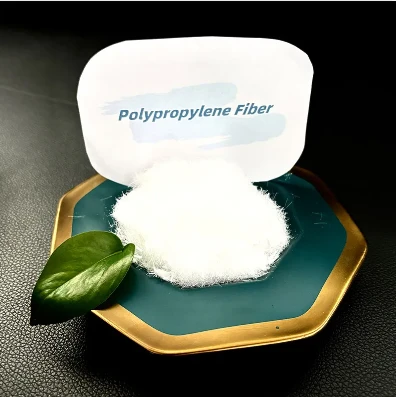
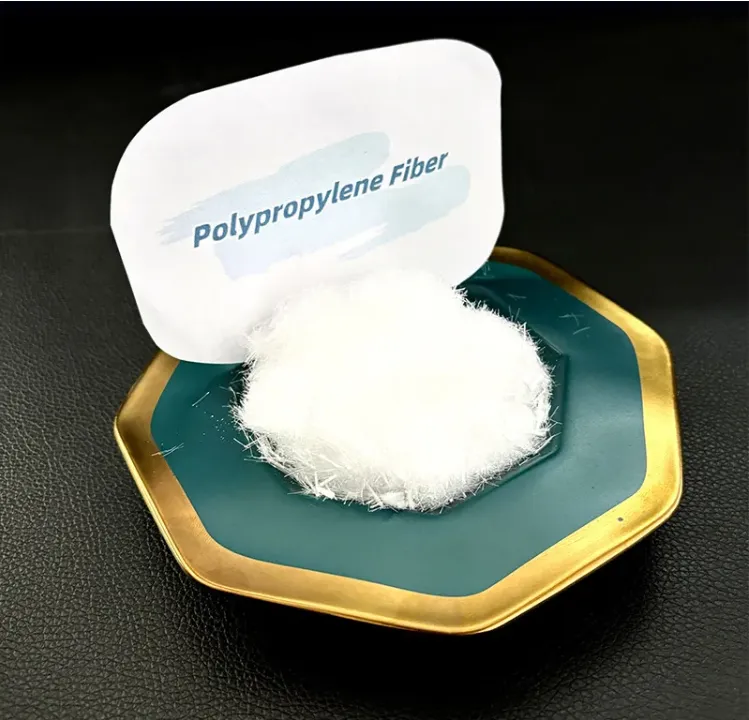


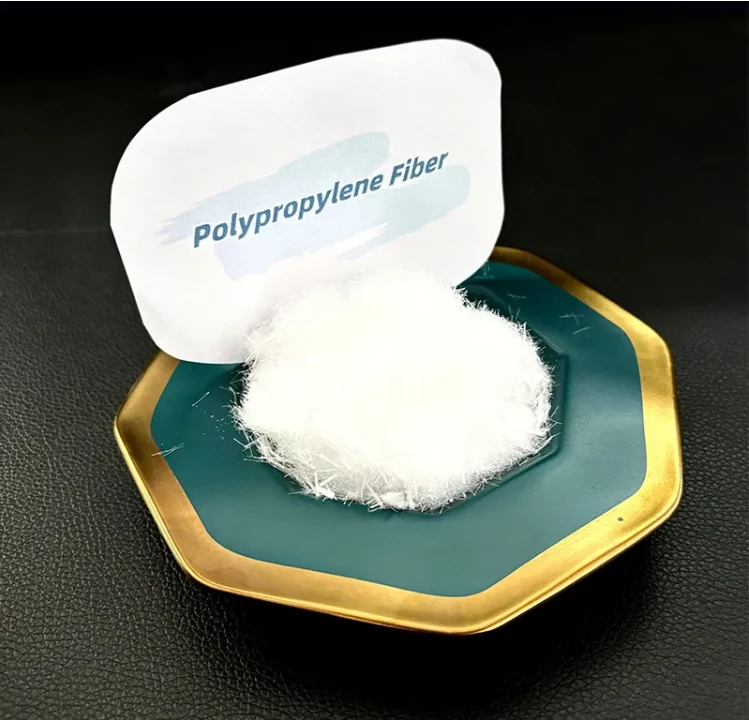
Polyolefin fibers, an essential component in the textile and manufacturing industries, have significantly gained attention due to their versatile applications and superior qualities. These fibers, derived from polymers such as polypropylene and polyethylene, offer a unique combination of properties that cater to numerous industrial needs, enhancing both product performance and durability. One of the most significant advantages of polyolefin fibers is their exceptional resistance to moisture. This property makes them an ideal choice for outdoor applications, where exposure to environmental elements like rain and humidity can quickly degrade other materials. For instance, agricultural fabrics designed to protect crops from the elements heavily rely on polyolefin fibers due to their robust water-repellent characteristics, ensuring longevity and consistent performance across seasons. Moreover, the high tensile strength of polyolefin fibers contributes importantly to their value in various industries. Their ability to withstand considerable stress without breaking or deforming makes them suitable for manufacturing high-strength ropes, fishing nets, and even geotextiles used in construction projects. This inherent strength not only extends the lifespan of the products made from these fibers but also enhances their reliability in critical applications, where failure is not an option. A prominent feature of polyolefin fibers is their inherent resistance to chemical attacks. This characteristic is particularly beneficial in environments where exposure to harsh chemicals or solvents is a concern, such as in industrial filtration systems or packaging materials. Products made from polyolefin fibers do not easily degrade when in contact with chemicals, ensuring both product integrity and safety over time. In the arena of sustainability, polyolefin fibers present a commendable profile. They are fully recyclable and contribute less to the overall carbon footprint compared to some other synthetic fibers. Their production process, largely driven by advances in polymer technology, has become more energy-efficient, allowing manufacturers to produce these fibers with reduced environmental impact. This aspect of sustainability positions polyolefin fibers favorably among environmentally conscious businesses aiming to incorporate more eco-friendly materials into their product lines. polyolefin fiber The light-weight nature of polyolefin fibers is another enticing benefit, leading to two major advantages—ease of handling and reduced transportation costs. Their low density results in lighter end products, which is particularly beneficial for applications in the automotive and aerospace industries, where weight reduction translates to improved fuel efficiency and performance. Polyolefin fibers thus contribute to overall cost savings , benefiting both manufacturers and end consumers. While the advantages are clear, incorporating polyolefin fibers into applications requires careful consideration of certain technical properties. Polyolefin fibers have a relatively low melting point compared to other synthetic fibers, which can be a limiting factor in high-temperature applications. However, this limitation is often addressed in innovative ways by blending polyolefin fibers with other materials or using them in environments where their low thermal resistance is not an issue. The expertise and authority of polyolefin fiber production have been greatly advanced by leading companies and research institutions globally. Their focus remains on refining the production processes and enhancing the fiber’s properties to meet the ever-evolving demands of the market. Extensive research and development activities ensure these fibers remain at the forefront of innovation, maintaining their status as a reliable and versatile material choice. Trustworthiness in the field of polyolefin fibers is further reinforced by strict compliance with international standards and certifications, which oversee the quality and environmental impact of these materials. Reputable manufacturers provide comprehensive data and transparency about their products, allowing consumers to make informed decisions based on verified performance metrics. In conclusion, polyolefin fibers represent a remarkable blend of performance, durability, and sustainability, making them indispensable across a variety of industrial sectors. Their distinctive properties provide tangible benefits, from extending product life to reducing environmental impacts, ensuring that polyolefin fibers will continue to be a material of choice for innovative solutions well into the future.
- 40000tons

Production
- 20+years

Experience
- 5000+㎡

Acreage

-
The Emergence of Wood Pulp Fiber A Sustainable Alternative In recent years, the pursuit of sustainable materials has gained significant momentum, leading to innovative solutions in various industries, from textiles to construction. One such innovation is wood pulp fiber, a versatile material derived from the decomposition of wood into its fibrous components. As societies become increasingly aware of the environmental impacts of conventional materials, wood pulp fiber stands out as an eco-friendly alternative that offers numerous benefits. Understanding Wood Pulp Fiber Wood pulp fiber is primarily extracted through the pulping process, where wood logs are processed to separate cellulose fibers from lignin and hemicellulose. This process creates a raw material that can be transformed into a range of products, including paper, textiles, and biodegradable plastics. The most common types of wood used for pulp are softwoods such as pine and fir, which are favored for their long cellulose fibers that contribute to strength and flexibility. Environmental Benefits One of the most compelling advantages of wood pulp fiber is its sustainability. As it originates from trees, a renewable resource, the lifecycle of wood pulp products can be much shorter compared to synthetic fibers like polyester, which are derived from petroleum. Furthermore, responsibly sourced wood pulp contributes to forest health by promoting sustainable forestry practices that ensure trees are replanted, preserving biodiversity, and maintaining carbon sequestration. The Emergence of Wood Pulp Fiber A Sustainable Alternative Versatility Across Industries fibra hecha de pulpa de madera The versatility of wood pulp fiber makes it an attractive alternative for various applications. In the textile industry, wood pulp can be converted into lyocell or modal fabrics, which are not only soft and breathable but also produced in a closed-loop process that significantly reduces water pollution compared to conventional cotton production. These fabrics are gaining popularity in fashion due to their comfort, environmental credentials, and stylish finish. In the packaging sector, wood pulp fiber is paving the way for biodegradable packaging solutions. As consumers demand more sustainable packaging options, wood pulp provides a solution that can help reduce the environmental footprint of e-commerce, food delivery, and retail packaging. Challenges and Future Outlook Despite its numerous advantages, the adoption of wood pulp fiber is not without challenges. The availability of sustainably sourced wood can sometimes limit production, and the technology for processing wood into fiber continues to evolve. However, as awareness and demand for sustainable materials rise, investment in research and development is likely to accelerate, opening new avenues for efficient production methods and innovative uses for wood pulp fiber. Moreover, as regulatory frameworks continue to support sustainable practices and combat climate change, wood pulp fiber stands on the brink of becoming a mainstream material in various industries. Companies are recognizing the importance of aligning their supply chains with sustainability goals, making wood pulp fiber an attractive option that meets consumer demand for eco-friendly products. Conclusion Wood pulp fiber represents a promising shift towards sustainability, offering an environmentally friendly alternative to traditional materials across diverse industries. Its biodegradable nature, coupled with the potential for sustainable production, positions it as a key player in the movement towards a greener future. As both consumers and manufacturers increasingly prioritize sustainability, wood pulp fiber could very well become a staple in our daily lives, supporting a healthier planet for generations to come.
-
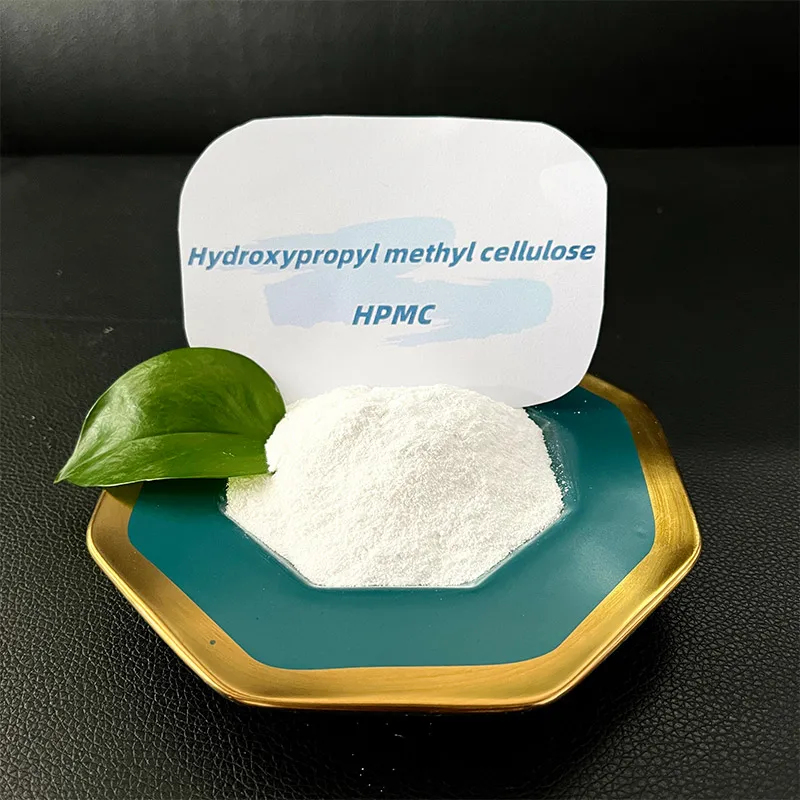
Exploring the Viscosity of HPMC A Unique Insight into its Applications and Benefits The world of additives and ingredients has been continually evolving, and among them, Hydroxypropyl Methylcellulose (HPMC) stands out due to its multifaceted applications and exceptional properties. One of its critical characteristics is viscosity, an essential factor determining its utility in various industries, from pharmaceuticals to construction. Understanding HPMC viscosity not only allows for better application but also ensures a superior product experience, reinforcing expertise, and establishing credibility in the market. Hydroxypropyl Methylcellulose, or HPMC, is a cellulose-derived polymer, known for its versatility and non-toxic nature. Viscosity, in the context of HPMC, refers to its resistance to flow, crucial in defining the product's performance. This characteristic can significantly influence how HPMC is used in different formulations, dictating everything from the texture of a product to its stability and efficacy. In the pharmaceutical industry, HPMC is a dependable asset due to its viscosity, which plays a pivotal role in drug delivery systems. For instance, its application as a controlled release agent hinges heavily on its viscosity properties. By adjusting the viscosity, manufacturers can tailor the release rate of active pharmaceutical ingredients, thus enhancing the therapeutic effect and improving patient compliance. Experts emphasize the precision required in calibrating HPMC viscosity to achieve desired drug-release profiles, showcasing professional expertise and technical know-how. Beyond pharmaceuticals, the viscosity of HPMC is also invaluable in the construction industry, particularly in the formulation of cement and tile adhesives. Here, the right viscosity ensures optimal water retention and workability. Construction experts often highlight the importance of selecting the appropriate viscosity level to ensure that cement mixes maintain their integrity and adhesion capabilities under various environmental conditions. This professional insight underlines the authoritative knowledge required to employ HPMC effectively in construction applications, contributing to the long-term durability of structures. hpmc viscosity The personal care industry similarly benefits from HPMC's viscosity . It acts as a thickening and gelling agent in creams and lotions, enabling the creation of products that deliver a luxurious feel and consistent performance. Savvy formulators understand that manipulating HPMC's viscosity can result in textures that enhance user experience, making the product both sensorially pleasing and functionally superior. This expertise is critical for brands aiming to establish trustworthiness with consumers who seek quality and reliability in personal care offerings. Trust in HPMC’s viscosity extends to its environmental friendliness and safety. Being biodegradable and derived from plant cellulose, it meets the increasing demand for sustainable ingredients, aligning with eco-friendly values. The trustworthiness that comes from using a product that is both effective and environmentally conscious cannot be overstated, especially in markets where consumer awareness around product sustainability is growing. Furthermore, scientific studies and historical usage reinforce the authority and trustworthiness of HPMC across industries. Research consistently demonstrates the stable performance of HPMC, with studies highlighting its low allergenic potential and adaptability in various formulations. This extensive documentation provides an authoritative backdrop, reassuring manufacturers and consumers alike of its efficacy and safety. For those entering the market or seeking to refine their product formulations, understanding HPMC viscosity is not merely an option but a necessity. Mastery of this attribute can lead to groundbreaking product innovations and improvements, securing a competitive edge in the industry. By consulting with chemists and industry experts, and referring to scientific literature, businesses can harness the full potential of HPMC, validating their commitment to quality and expertise. In conclusion, the viscosity of HPMC is more than just a physical property; it is a cornerstone of its application across diverse industries. With its ability to influence product performance and consumer satisfaction, HPMC stands as a testament to effective and trustworthy product formulation. Embracing its viscosity not only enhances product quality but also fortifies a brand's reputation as a leader in innovative and reliable solutions.
advantages
-

200000 Viscosities
Excellent product
We can produce pure products up to 200,000 viscosities
-

40000 tons
High yield
We don’t stop production all year round, and the annual output can reach 40,000 tons
-

24 hours
Quality service
We provide 24-hours online reception service, welcome to consult at any time
———— Inquiry Form
Schedule A services

-
 beton_de_fibres_pp
Oct . 25, 2025
Navigating the complex waters of supplements and their components can be daunting. However, one name -
 fine_rubber_powder
Oct . 25, 2025
How to Make HPMC Gel A Step-by-Step Guide Hydroxypropyl methylcellulose (HPMC) is a versatile polyme -
 kegunaan_pati_eter
Oct . 25, 2025
HPMC K 100 M, short for Hydroxypropyl Methylcellulose, is a versatile polymer widely used across ind


